How a Garage Door Lockout Actually Happens — and What to Do First
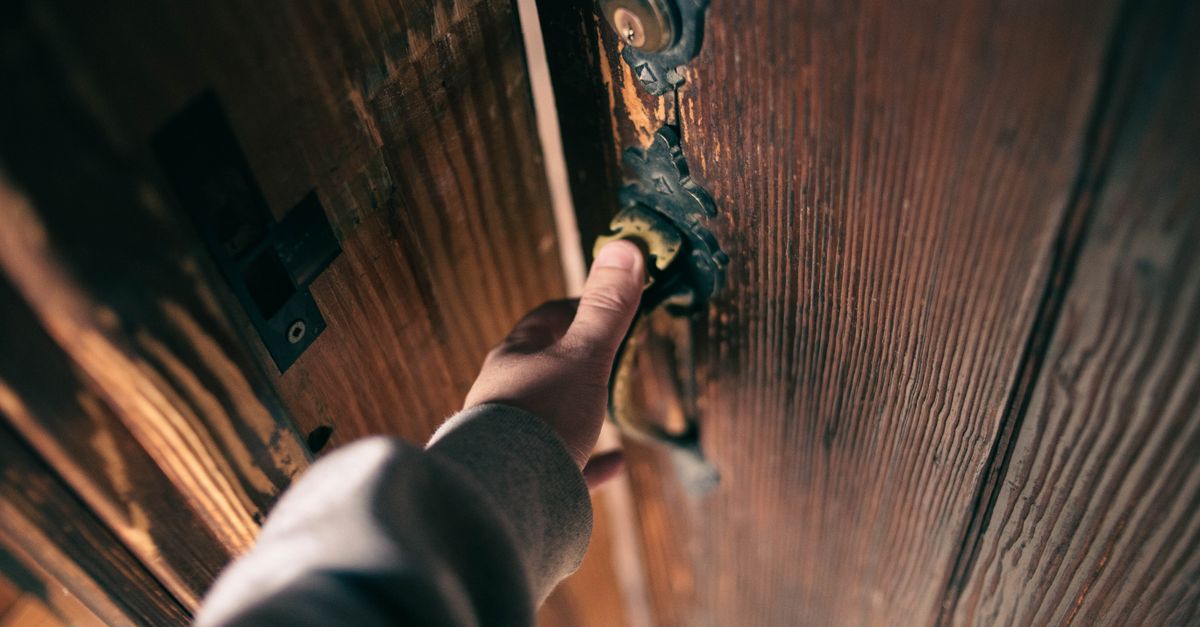
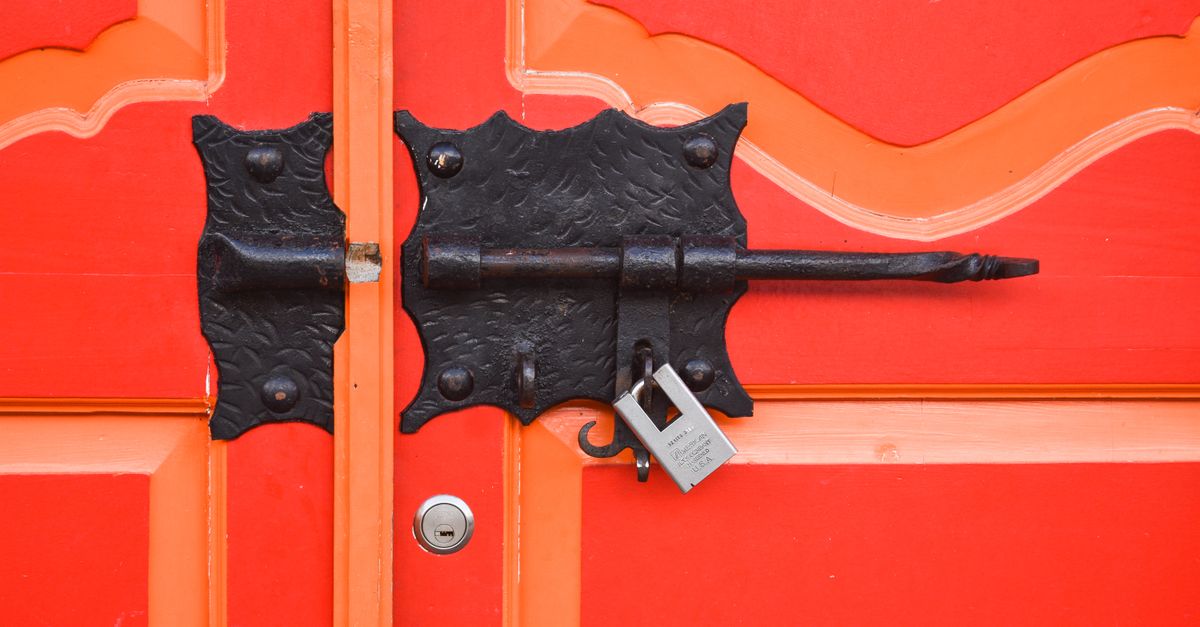
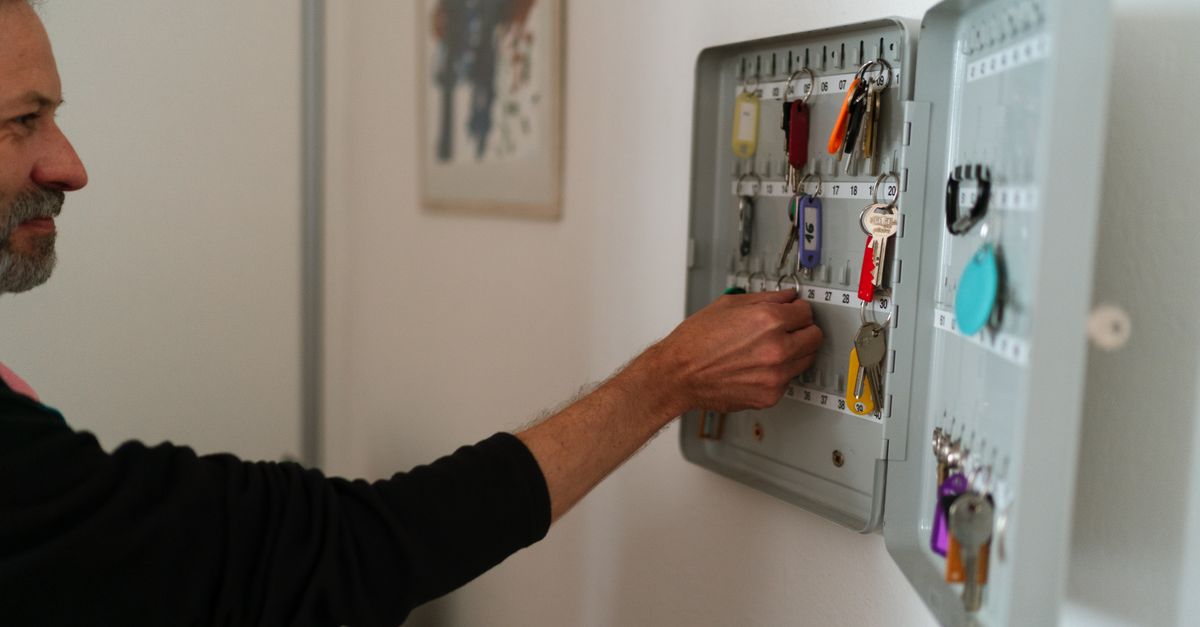
A garage lockout is rarely as simple as it sounds. The most common version involves the door connecting the garage to the home's interior: a solid-core door fitted with a deadbolt, a door knob lock, or in older Altamonte Springs homes, a mortise lock that has either seized up or been accidentally triggered into the locked position from inside. A second scenario involves the garage's exterior side entrance, often secured with a padlock or a keyed handle that shares no key with your front door. A third — increasingly common — is a purely electronic failure: the wall keypad dies, the remote loses sync, and the manual release cord is inaccessible from the outside. Before you call anyone, run through the safe checklist: check whether a window or secondary door is unlocked, locate a spare key with a trusted neighbor, or confirm whether anyone else in your household can let you in remotely. If none of those options apply, that is precisely the moment to call a professional.
What you should not do is attempt to force, pry, or bypass the locking mechanism yourself. Beyond the obvious risk of injury, improvised forced entry can damage door frames, warp strike plates, and bend deadbolt throws in ways that cost significantly more to repair than a professional lockout call. Our technicians are trained to use damage-free methods wherever the hardware permits, preserving both the door and the lock so your home stays secure the moment we leave.