
Why Keys Snap — and Why the Fix Is More Delicate Than It Looks
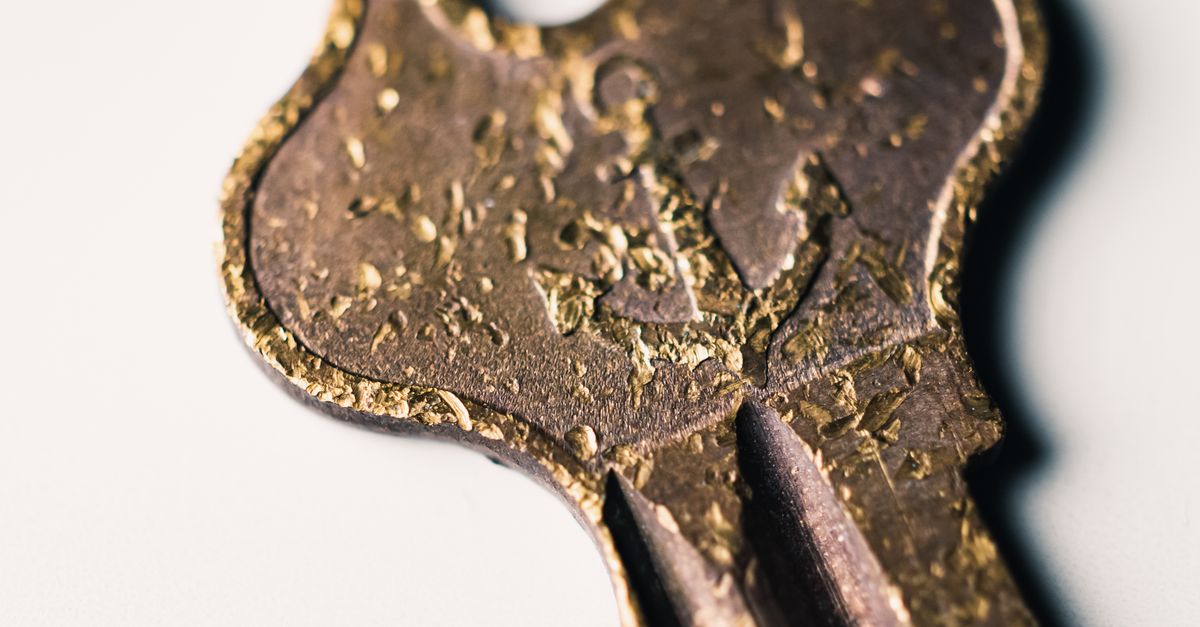
Keys break for a surprisingly predictable set of reasons: metal fatigue from years of daily use, a worn-down key blank that has been copied one too many times, a stiff or partially seized cylinder, or the simple physics of turning a key with too much lateral force. Automotive ignition keys snap most often when the steering column lock is engaged and the driver tries to force the key to turn simultaneously. Door knob lock cylinders and mortise lock cylinders on older commercial properties around Altamonte Springs see frequent breakage because decades-old hardware develops internal corrosion that resists normal key movement. In every case, the broken fragment becomes wedged by the same spring-loaded pins and wafers that normally grip the key for operation — making removal a task that requires precision instruments, not improvisation.
Attempting to dig out a fragment with a paperclip, tweezers, or a second key is the single most common reason a manageable situation turns into a full cylinder replacement. Those improvised tools push the fragment deeper, scratch the cylinder walls, or — in a mortise lock — displace internal components that are difficult to realign without full disassembly. Our technicians are trained to assess the depth and orientation of the fragment before selecting the correct extractor, preserving the cylinder whenever possible so you are not paying for parts that were not actually damaged.